
Through Welcare Power Ltd., the program expands access to clean energy, supporting both community infrastructure and household needs.
Key achievements include: Solar Energy Distribution: Solar energy powers five pond sand filters at the community level, providing clean water to vulnerable populations.
Household Energy Access: LEDs powered by solar energy have been distributed to households, reducing reliance on fossil fuels and improving living conditions.
Scalable Solutions: The program is expanding solar infrastructure to additional communities, ensuring sustainable energy access for more households. These initiatives contribute to environmental sustainability while supporting livelihood activities that rely on reliable energy sources.
Achievements: The program has achieved significant milestones in improving livelihoods for vulnerable populations.
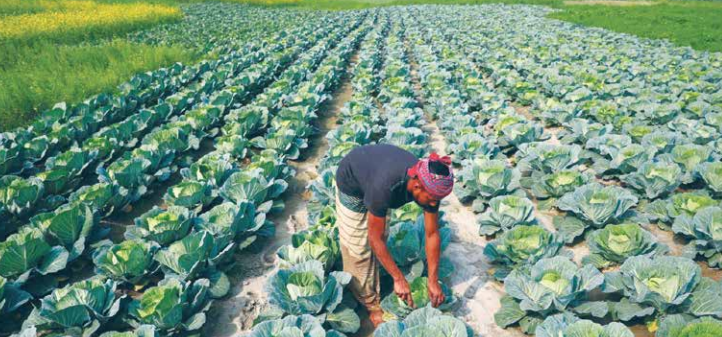
Key accomplishments include: Food Security: 15,000 farmers adopted climate-smart practices, resulting in increased crop yields and improved food availability.
Economic Empowerment: The marginalized farmers producers were linked to markets via, generating significant revenue and enhancing economic stability.
Entrepreneurial Growth: 1,000 start-ups, primarily led by women and youth, were supported with training and resources, fostering inclusive economic development.
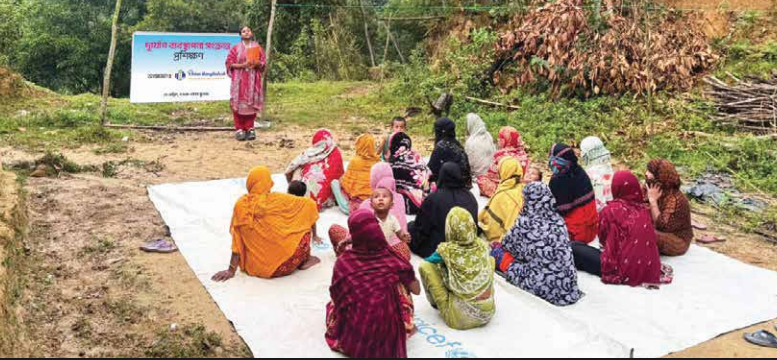
Disaster Resilience: DRR training for 500 individuals reduced vulnerability in flood-prone areas, with communities reporting improved preparedness and recovery capabilities.
Clean Energy Access: Solar-powered infrastructure, including pond sand filters and household LEDs, improved access to clean water and energy for thousands of people.
These achievements demonstrate the program's success in creating sustainable, resilient livelihoods for vulnerable populations.
Impact of Resilient Agriculture: The resilient agriculture com ponent has had a transformative impact on the target communities. Over 15,000 vulnerable people have benefited from improved livelihoods, with 72% reporting increased income and resilience. Key impacts include:
Increased Income: Farmers adopting climate-smart practices have seen significant income gains due to higher yields and access to premium markets for organic and value-added products.
Food Security: Diversified crops and improved soil health have ensured year-round food availability, reducing hunger and malnutrition in vulnerable communities.
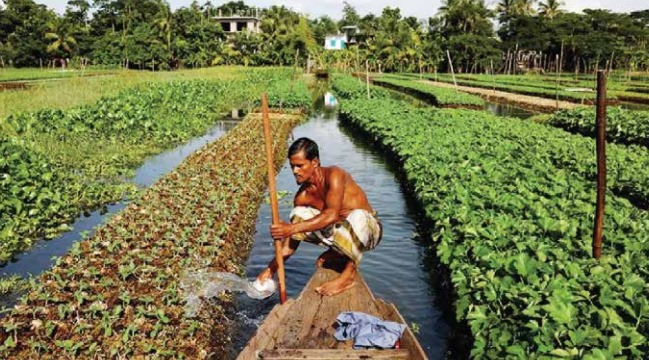
Climate Resilience: The adoption of drought-resistant crops and water-efficient techniques has enabled farmers to withstand climate-related challenges, such as erratic rainfall and prolonged droughts.
Community Empowerment: Training and extension services have empowered farmers to take ownership of their agricultural practices, fostering a sense of agency and self-reliance.
These impacts highlight the critical role of resilient agriculture in achieving the program's broader objectives of food security and economic stability.