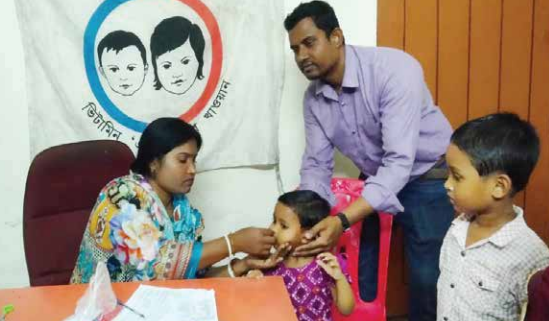

Recognizing the widespread need for mental health support, the program has delivered MHPSS to thousands of individuals, including women, children, and displaced populations. Community-based MHPSS sessions, facilitated by trained counselors and volunteers, include group therapy, individual counseling, and stress management workshops. These services address trauma, anxiety, and depression, particularly among those affected by poverty, violence, or displacement. In schools and hospitals, GMP sessions integrate MHPSS by promoting mental well-being alongside physical health checks, ensuring holistic care. The majority of participants report improved emotional resilience, better coping mechanisms, and a renewed sense of hope.
Training on Gender Mainstreaming and SRHR
To foster gender equity, the program has trained a large number of community leaders, including religious figures, teachers, and local government officials, on gender mainstreaming and SRHR. These training sessions, conducted in community halls and schools, cover topics such as gender equality, women’s rights, and the importance of SRHR in preventing GBV and promoting health. Participants learn to challenge harmful norms, such as early marriage, and advocate for inclusive policies. The inclusion of SRHR in GMP sessions at hospitals and schools has empowered adolescents and women with knowledge about reproductive health, family planning, and their rights, fostering informed decision-making and reducing vulnerabilities.
Child Safeguarding and VAW Prevention
The program has prioritized child safeguarding and Violence Against Women (VAW) prevention through community-wide initiatives. Child protection policies, developed in collaboration with schools and local authorities, ensure safe learning environments, with trained teachers and volunteers monitoring for signs of abuse or neglect. Community awareness campaigns, delivered through door-to-door visits, radio broadcasts, and school-based workshops, educate families on the risks of VAW and child exploitation. These efforts have created a culture of vigilance, with community volunteers playing a pivotal role in identifying and addressing protection concerns during GMP sessions and other outreach activities.